
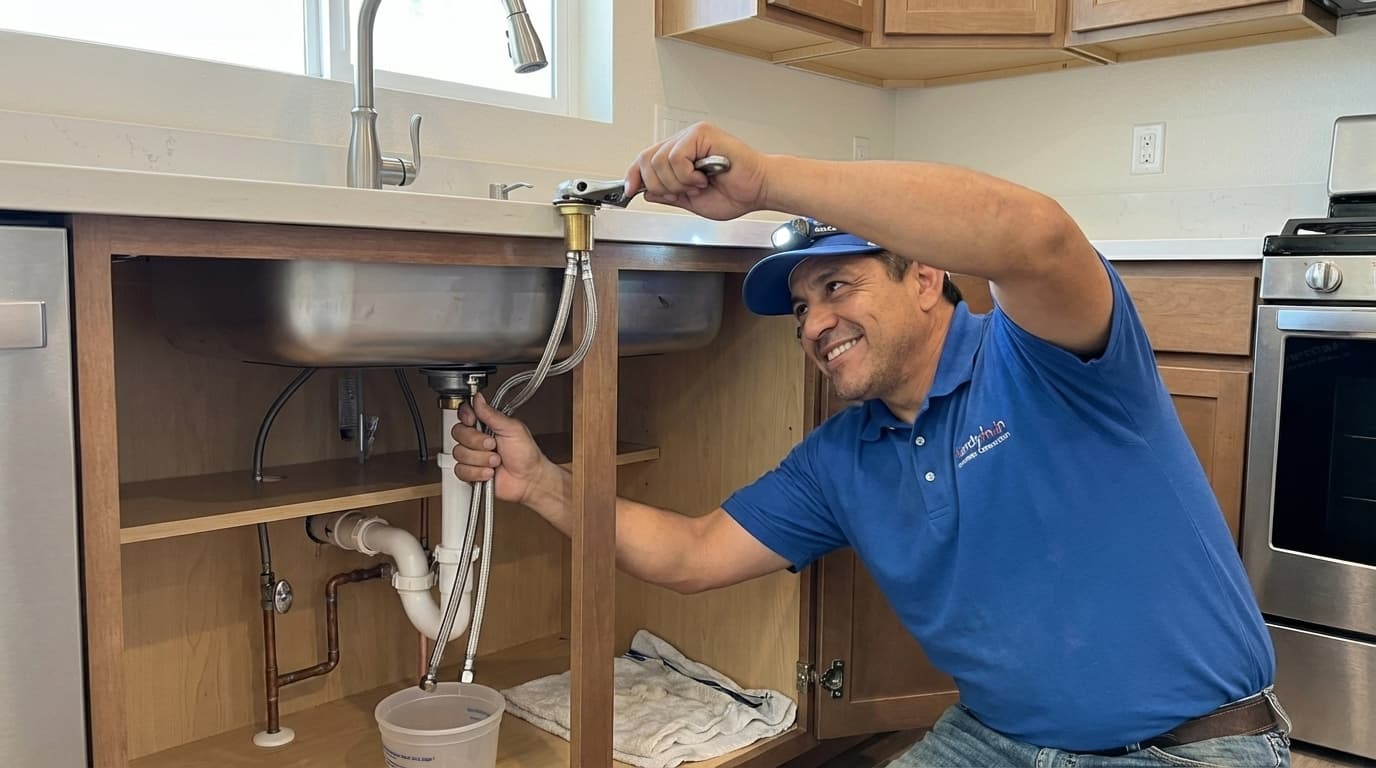
Upgrading your kitchen faucet is one of the most impactful DIY projects a homeowner can undertake to refresh the space. Handydads recommends this project because it combines functional improvement with aesthetic appeal without requiring a complete kitchen remodel. You will find that modern faucets come with features like pull-down sprayers and touchless operation that make daily tasks much easier. Most installations can be completed in a single afternoon with basic household tools and a little bit of patience. By following our guide, you can save money on professional plumbing services while gaining the satisfaction of a job well done.
Project Snapshot
Replacing a kitchen faucet is a project that requires moderate physical flexibility and basic mechanical knowledge. You can expect to spend anywhere from one to three hours depending on the condition of your old plumbing. The cost is generally affordable since you only need the price of the new hardware and a few inexpensive supplies. Handydads suggests having a partner nearby to help hold the faucet steady from above while you work below the sink. This task is perfect for homeowners who want to improve their kitchen functionality without a massive budget.
Tools and Materials
You will need a standard set of plumbing tools to complete this installation successfully and safely. A basin wrench is the most important tool because it allows you to reach nuts in the narrow space behind the sink bowl. You also need an adjustable wrench, a screwdriver, and some plumber's tape to seal the threaded connections. A bucket and a few rags are necessary to manage any water that spills out of the old lines during removal. Make sure you have your new faucet kit and matching supply lines ready before you begin the work.
Step-by-Step Instructions
Starting your faucet replacement requires a few preparatory steps to ensure a smooth process without any water damage. First, clear out the cabinet under the sink so you have plenty of room to move your arms and torso. You should place a towel and a small bucket directly under the supply valves to catch any drips. Then, turn the shutoff valves clockwise until they are fully closed to stop the flow of water. Finally, turn on the faucet to release any pressure and confirm that the water is completely off before proceeding.
Once the water is off, use your adjustable wrench to disconnect the hot and cold water supply lines from the shutoff valves. Use your basin wrench to reach up behind the sink and unscrew the mounting nuts holding the old faucet in place. After the nuts are removed, pull the old faucet out from the top of the sink and clean the surface thoroughly. Place the new faucet through the holes and have a helper hold it in position while you tighten the new mounting hardware from underneath. Reconnect the water supply lines to the valves, turn the water back on slowly, and check every connection for potential leaks.
From the Toolbox
One time, a homeowner called Handydads after trying to remove a rusted nut for three hours without success. We showed up with a specialized basin wrench and some penetrating oil to loosen the stubborn hardware in minutes. It turned out they were turning the nut the wrong way because they were working upside down under the sink. We shared a laugh and finished the install together while teaching them the lefty-loosey rule for tight spaces. Sometimes the right tool makes all the difference in a plumbing project.
Top 5 Mistakes
Many homeowners make common errors that can lead to leaks or frustration during a faucet installation. The first mistake is not measuring the number of holes in the sink before buying a new faucet. Another frequent issue is over-tightening the plastic nuts, which can cause them to crack and fail over time. Some people forget to use plumber's tape on the threaded connections, leading to small but persistent drips. Forgetting to flush the lines before connecting the new faucet can also trap debris in the new valves. Finally, failing to clean the mounting surface can prevent a proper seal and cause water to seep under the sink.
Tool and Material Recommendations
We highly recommend choosing a high-quality faucet from a reputable brand like Moen or Delta for long-term durability. Using braided stainless steel supply lines is much safer and easier than working with rigid plastic or copper pipes. You should always use Oatey plumber's putty or a high-quality silicone sealant to create a waterproof barrier at the base. A professional-grade basin wrench is worth the investment if you plan on doing more plumbing work in the future. Handydads also suggests keeping a headlamp in your kit to provide hands-free lighting while you work in the dark cabinet.
Quick Tips and Hacks
One of the best hacks for this project is to take a photo of the existing plumbing before you take anything apart. This visual reference will help you remember where each hose connects if you get confused later. You can also use a small piece of sandpaper to clean up any mineral deposits on the shutoff valve threads. If you have trouble reaching a nut, a long-reach socket set can sometimes provide better leverage than a standard wrench. Always keep a dry rag handy to wipe down the pipes and check for moisture once you turn the water back on.